Why mapping pain changes the follow-up
A body map gives you a concrete way to notice repeated zones, intensity changes, and moments that matter.
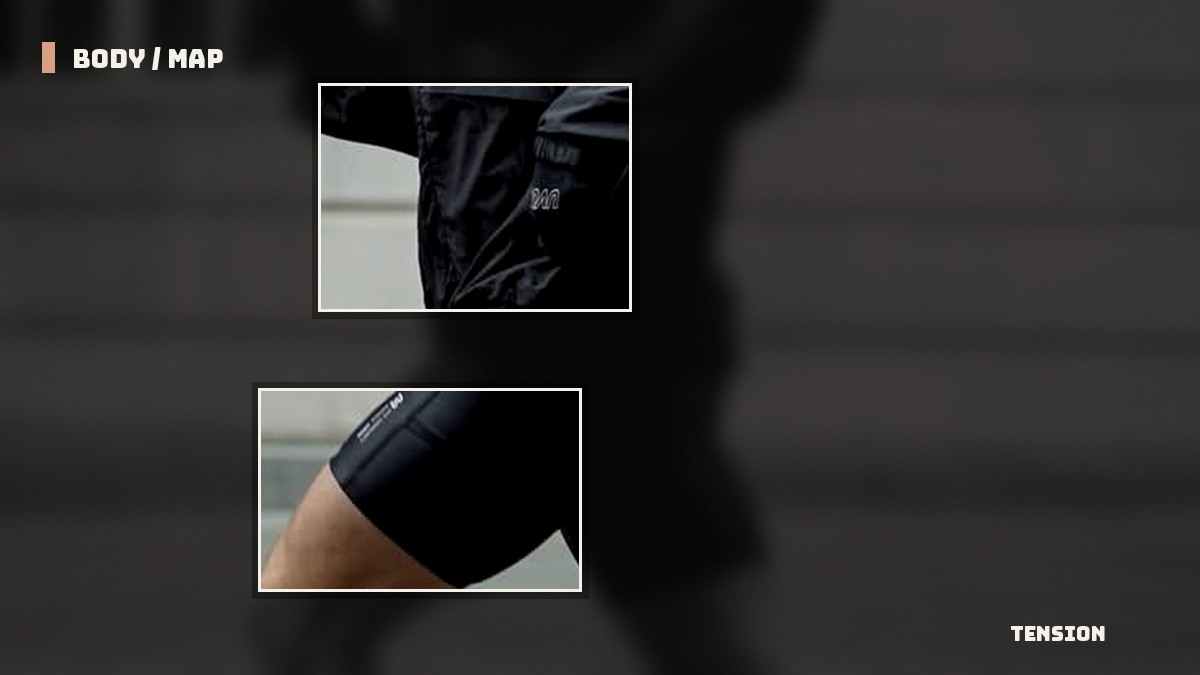
What a body map preserves after training
Pain and tension are easier to discuss when they are visible. A body map turns a vague memory into a concrete self-report: where the sensation appeared, how strong it felt, and whether it stayed in one zone or seemed to move.
For an athlete, that location detail matters because “my knee hurt” can describe very different experiences. Marking the front, inside, outside, or back of the knee does not diagnose a cause, but it helps preserve what you actually noticed after the run.
Use the same anchors every session
A useful pain history is consistent. Record the sport or workout, exact body zone, intensity on the same scale, timing, and a short note about what felt different. Repeat the check-in after comparable sessions rather than changing the method every day.
Compare like with like: long runs with long runs, squat sessions with similar strength sessions, or the same cycling route under roughly similar conditions. The aim is not to prove that one variable caused the pain. It is to see whether the same location and pattern recur often enough to deserve a closer conversation.
What the map cannot tell you
Pain is a personal sensory and emotional experience, so a colored zone is only one part of the story. It cannot identify injured tissue, grade severity, or determine whether it is safe to continue training. It also cannot replace questions about onset, function, swelling, weakness, illness, or other warning signs.
TENSION is designed around a follow-up loop: paint the zone, record intensity and context, then return to the map later to see what changed. It does not provide medical advice, diagnosis, or treatment. Sudden, severe, worsening, or persistent pain should be assessed by a qualified professional.
Read the IASP pain definition and notes - The International Association for the Study of Pain explains why pain is personal and cannot be inferred only from sensory activity.
Use the map in an athlete pain history
Add consistent training-session context, see what runner data says about knee pain and mileage, and learn how to share the history with a professional.
Explore TENSION's sports pain app for body mapping